Hakri Breakwater Pojangmacha in Jigok, Busan: Complete Guide to Grilled Eel, Abalone Porridge, Location & Parking
Why Locals Choose Jigok Pojangmacha Over Haeundae: Busan’s Hidden Seafood Gem
Do you find yourself heading straight to Haeundae or Gwangan-ri every time you visit Busan — even when you have locals to show you around? I used to do the same. I’d take friends visiting from Seoul through the familiar neighborhoods, yet somehow kept missing out on the authentic Busan flavors hiding right under my nose.
If you’re wondering “where to eat fresh abalone porridge in Busan” or find the best grilled eel restaurant in Busan, stop scrolling through tourist zone reviews. This time, I finally made it to Busan’s best-kept secret: Hakri Breakwater Pojangmacha in Jigok — a hidden seafood pojangmacha known exclusively among locals for its premium grilled eel (jangeo-gui) and incredibly fresh abalone dishes. Hard to reach without a car means virtually no tourists, which paradoxically makes it perfect for experiencing genuine Busan street pojangmacha culture. This is the hidden local gem you’ve been searching for.

Hakri Breakwater Pojangmacha in Jigok, Busan: Location, Hours & What to Expect
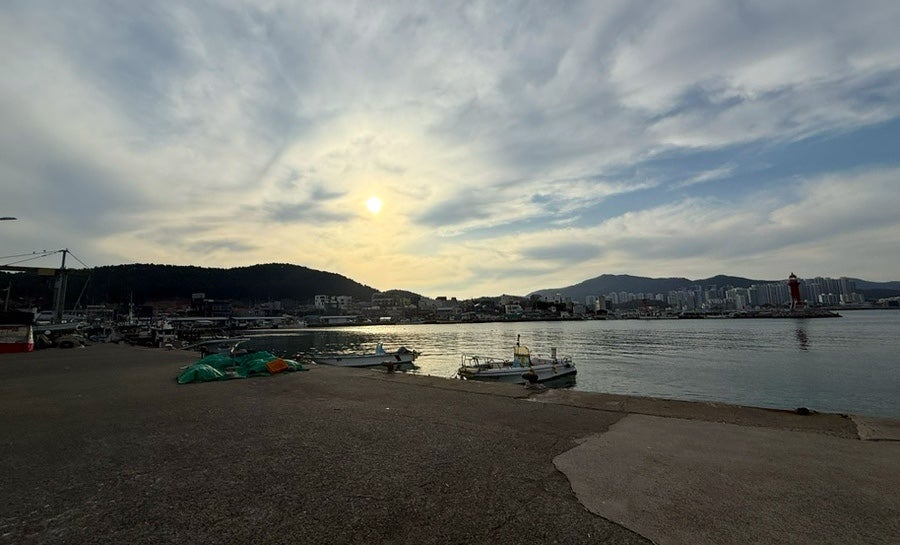
Hakri Breakwater Pojangmacha is located at 251-11 Hakri-ri, Ilkwang-eup, Jigok-gun, Busan. Among all of Busan’s pojangmacha zones, Jigok stands out as a true hidden gem — easily accessible by car, sitting right along the Jigok waterfront where you can enjoy your meal in a genuinely peaceful setting. Rather than the glitzy, tourist-heavy atmosphere of Haeundae or Gwangan-ri, this place radiates a quiet, homey harbor-town warmth that feels unmistakably and authentically Korean.
One important thing to know before you go: this is not a single restaurant, but a cluster of independently operated pojangmacha stalls, each identified by its own number — think “Stall No. 1 run by an older woman, Stall No. 2 run by a middle-aged woman,” and so on. While locals say the menus and overall flavors are fairly similar across stalls, since each operates independently, menus, pricing, and opening hours can vary from stall to stall. We strongly recommend calling your chosen stall ahead of time to confirm the details before making the trip.

How to Get to Jigok Pojangmacha: Directions, Parking & Public Transport Guide
To be upfront: public transport options to Jigok are limited — having a car is essentially required. But think of it as a hidden advantage. The absence of casual tourist foot traffic means you get the full, unfiltered charm of Jigok’s local dining scene, something you simply won’t encounter at the busier Haeundae or Gwangan-ri pojangmacha strips. If you don’t have a car, a taxi or rental car is your best bet.
Driving there? Parking is absolutely no issue. Once you arrive at the address, you’ll find a spacious open lot right out front that serves as a free parking area — with plenty of room even on busy evenings.


The Atmosphere at Jigok Pojangmacha (Including the Instagram-Worthy Moments)
Day and Night: Two Completely Different Experiences
The daytime view overlooking Jigok Bay is already quietly stunning, but once the sun dips below the horizon and the lights flicker on, the entire atmosphere transforms into something far more intimate and magical. It’s one of those rare places that earns a second visit just for the evening ambiance alone.


Inside the Pojangmacha: Authentic Street Stall Aesthetics
The interior is exactly what you’d hope for from a traditional Korean street pojangmacha — cozy, unpretentious, and full of nostalgic character, like sitting inside a vintage squid-fishing boat. The no-frills décor isn’t a shortcoming; it’s the entire point. That lived-in, weathered charm is precisely what draws locals back again and again.


Winter Visits: Staying Warm by Briquette Heat
Worried about the evening chill? Don’t be. Each table comes equipped with a traditional charcoal briquette (yeon-tan) for warmth, keeping your feet toasty while you take in the night sky above the harbor. It’s an unexpectedly cozy setup — perfect for soaking in the winter scenery without sacrificing comfort.
Now, let’s talk about what really matters: the food. 🍽️

Grilled Eel (Jangeo-gui) vs. Abalone Porridge: Best Dishes at Jigok Pojangmacha
The undisputed star of the menu is grilled eel (jangeo-gui), but there’s far more worth ordering. On our visit, we tried Conger Eel Sashimi (anagohoei), Live Octopus (sannakji), Abalone Porridge (jeonbok-juk), and Ramen — with additional options like Sea Anemone Soup (malmisal-tang), Boiled Pork (susuk), and Abalone Sashimi available depending on the stall. The prices listed below are from one specific stall as of early 2025, so please note that prices vary between stalls. Calling ahead to confirm is always a good idea.


Complete Menu & Prices at Jigok Pojangmacha (2025 Updated Costs)
⭐ Conger Eel Sashimi (Anagohoei): Busan Specialty — 50,000 KRW
This is a true Busan specialty that you won’t easily find on menus in Seoul. The white conger flesh is sliced so thinly it’s almost translucent, then folded into a Korean perilla leaf (kkaennip) with a dab of spicy gochujang sauce before it practically dissolves on your tongue. 🤤 The texture is silky and buttery-soft in a way that’s genuinely hard to describe. This is a non-negotiable order every time I make it down to Busan.


⭐ Grilled Eel (Jangeo-gui): The Must-Try #1 Dish — 1kg for 50,000 KRW
The single most popular dish at Hakri Breakwater Pojangmacha comes in two styles: plain grilled or sauce-marinated. The marinated version is overwhelmingly more popular — and once you taste it, you’ll understand why. Kept warm over a burner at your table as you cook and eat, the rich, savory, Busan-style marinade is so addictive that even self-proclaimed eel skeptics find themselves reaching for more. 🤤
👉 Pro Tip: Don’t discard the bones charred at the bottom of the grill. Once fully cooked through, they turn crispy like crackers — eat every last one.


⭐ Fresh Live Octopus (Sannakji) as a Drinking Side Dish — 15,000 KRW per octopus
The ideal drinking companion. Freshly sliced and served with a savory sesame oil dip, each piece is tender with just the right amount of chew. It pairs perfectly with a cold glass of soju or beer and disappears from the plate faster than you’d expect.


⭐ Signature Abalone Porridge in Traditional Iron Pot (Gamasot) — 40,000 KRW (Small)
This rivals the grilled eel as the defining dish of the meal. It arrives in a traditional iron pot (gamasot), and when you lift the lid, a rush of steam gives way to the sight of glossy abalone roe studded throughout like tiny pearls. The first spoonful delivers a deep, clean savory richness drawn from abalone liver — no fishiness, just pure, concentrated ocean flavor in every bite. It’s the kind of dish that quietly becomes the one you’re still thinking about days later.


⭐ Ramen (Ramyeon) — 5,000 KRW
You’ll be convinced you’re too full to even consider it. You’ll order it anyway, and you’ll finish every drop. Ending a pojangmacha meal with a steaming bowl of ramen isn’t optional — it’s tradition. Every single person at the table said they wouldn’t eat any. Every single person did. 🍜

Best Grilled Eel Restaurant in Busan: Why Jigok Pojangmacha Wins
Looking for the best grilled eel restaurant in Busan? While Haeundae offers undeniable convenience, Jigok pojangmacha consistently delivers superior quality at friendlier prices. Here’s why Busan locals consider Hakri Breakwater the top choice for authentic jangeo-gui:
- Freshness: Seafood sourced from nearby fishing docks
- Price: 1kg grilled eel for 50,000 KRW — noticeably less than tourist-area equivalents
- Flavor: Signature Busan-style marinated sauce you won’t find replicated elsewhere
- Atmosphere: Genuine local character that no guidebook can manufacture
Tired of tourist traps? Ready for the real deal where Busan locals actually go?
Hakri Breakwater Pojangmacha in Jigok is exactly where you need to be. 🌅

Jigok vs. Haeundae Pojangmacha: Price Comparison & Local Atmosphere
Haeundae delivers tourist-friendly energy and easy access. Jigok delivers something harder to find: an authentic, unhurried local atmosphere, more wallet-friendly prices, and the rare experience of dining beside a quiet harbor rather than a crowd-packed beach. If you’ve already done Haeundae and Gwangan-ri, Jigok is the natural next step — the version of Busan that most visitors never get to see.
Perfect For:
- Travelers seeking grilled eel in Busan beyond the touristy Haeundae and Gwangan-ri pojangmacha zones
- Couples looking for a complete date experience: fresh seafood, glowing harbor views, and genuine local atmosphere
- Anyone craving a relaxed, authentic Korean drinking session (suljip) the way locals actually do it
- Winter visitors who want to take in the night views while staying warm by traditional briquette heat
- Seafood lovers who want both grilled eel and abalone porridge in one unforgettable sitting
Essential Info Before Your Visit
| 📍 Location |
251-11 Hakri-ri, Ilkwang-eup, Jigok-gun, Busan (Recommended: Confirm location on Naver Map or Kakao Map before heading out) |
| ⏰ Hours |
Generally 10:30 AM – 9:30 PM, but hours vary by stall. Calling the specific stall ahead of time to confirm is strongly recommended. |
| 🚗 Parking | Free parking in the open lot directly in front of the address — spacious and hassle-free |
| 💰 Price Range |
Conger Eel Sashimi 50,000 KRW / Grilled Eel 1kg 50,000 KRW / Live Octopus 15,000 KRW / Abalone Porridge 40,000 KRW / Ramen 5,000 KRW ※ Prices from one specific stall as of early 2025. Prices vary by stall. Call ahead to confirm. |
| 🚌 Public Transport | Very limited. A car is essentially required. A taxi or rental car is the most practical alternative. |
| 💡 Best Time to Visit | Evening from 6:00 PM onward — when the harbor lights come on and the atmosphere reaches its peak |
| 🍽️ Signature Dishes |
Leave a Reply